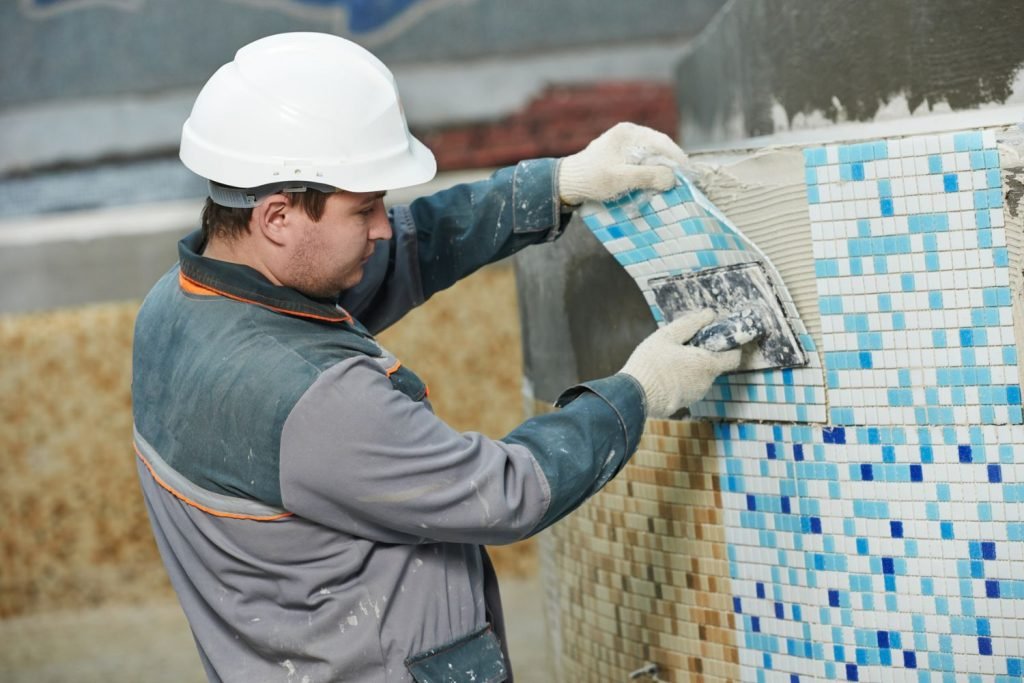
Pool Resurfacing Phoenix, AZ | Plaster, Pebble & Quartz Finishes

BuildXL Pool Resurfacing restores worn, cracked, or outdated pools across the Phoenix Valley with finishes built for Arizona’s heat and hard water. Free estimates, 3-year workmanship warranty.
Every pool surface in the Phoenix Valley is fighting the same battle: 115°F summer heat, intense UV exposure, and some of the hardest water in the country. Plaster, pebble, and quartz finishes all break down under those conditions eventually — showing up as rough or pitted texture, calcium scaling, staining, or a surface that’s simply lost its color and shine. At BuildXL Pool Resurfacing, we strip old surfaces down to the shell, repair any underlying cracks or structural issues, and apply a new plaster, pebble aggregate (Pebble Tec, PebbleSheen), or quartz finish matched to how you actually use your pool and how much maintenance you want long-term. Whether you’re in Scottsdale, Tempe, Gilbert, or elsewhere in the Valley, request a free estimate and we’ll assess your pool’s specific condition before recommending a finish.

Common Pool Resurfacing Issues We Solve in the Phoenix Valley

Calcium Scaling and Hard Water Buildup

Arizona's water is mineral-heavy, and combined with our extreme evaporation rates, calcium carbonate concentrates in pool water faster than in most of the country. Over time it deposits as rough white scale on plaster surfaces and around the waterline tile, making the surface feel gritty and eventually causing pitting as the scale bonds unevenly to the finish. Left untreated, heavy scaling accelerates surface degradation and makes the pool feel abrasive to swim in.

Our resurfacing process includes a full acid wash or media blast to strip existing scale and old finish down to a clean bond coat before any new surface goes on, and we can recommend finish types — like certain quartz or pebble blends — that resist future scaling better than standard white plaster.

UV and Heat-Driven Fading, Chalking & Cracking

Phoenix pools get more direct, intense sun exposure than almost anywhere else in the country, and standard plaster finishes typically show UV-driven fading, chalking, or surface cracking within 7-10 years — sometimes faster on south- and west-facing pools with no shade cover. Once a plaster surface starts chalking, it also releases more calcium into the water, accelerating the scaling problem above.

We match finish selection to sun exposure — recommending more UV-stable pebble or quartz aggregate finishes for pools with heavy, unshaded exposure — and every resurfacing job includes a proper cure and startup process to minimize early chalking.

Rough, Pitted, or Delaminating Surfaces

A pool nearing the end of its plaster life often develops a rough, uncomfortable texture or, in more serious cases, delamination — where the finish separates from the underlying shell in patches, usually from improper bond coat application during a prior resurfacing. Swimming on a delaminating surface isn't just unpleasant, it's a sign the finish is actively failing.

We inspect the full shell for delamination and structural cracking before resurfacing, address any bond issues at the surface-prep stage, and apply new finish with a proper bond coat — the step most responsible for a resurfacing job lasting its full expected lifespan instead of failing early.
Our Pool Resurfacing Process in the Phoenix Valley

Pool Draining & Surface Preparation

We start by fully draining the pool and inspecting the shell for cracks, delamination, or plumbing issues that need to be addressed before resurfacing — resurfacing over an underlying structural problem just means redoing the job sooner. The old finish is then removed via acid wash or media (sand/soda) blasting depending on condition, leaving a clean, properly profiled surface for the new bond coat to adhere to. In Arizona specifically, we also check for any efflorescence or scale buildup around the tile line, since AZ’s hard water makes this more common than in most regions.

Finish Application: Plaster, Pebble & Quartz

Once the surface is prepped, we apply your chosen finish — traditional white or colored plaster (marcite), a pebble aggregate finish like Pebble Tec or PebbleSheen, or a quartz aggregate finish for added durability and color options. Application is done by hand-troweling or spraying depending on finish type, working in sections to maintain consistency across the full surface. We finish with proper edge and step detailing, since these high-wear areas are where premature chipping most often starts if rushed.

Pool Startup & Curing

The days immediately after resurfacing matter as much as the application itself — improper startup chemistry is one of the most common causes of early chalking, mottling, or plaster dust (“plaster dust” or “hot spots”). We manage the fill and initial chemical balancing process directly, brushing the surface daily during the curing period to prevent scale from bonding before the finish has fully hardened, which is especially important given how fast Arizona’s water chemistry can shift in extreme heat.

Why Phoenix-Area Homeowners Choose BuildXL Pool Resurfacing

Licensed, Bonded & Insured
3-Year Workmanship Warranty
Built for Arizona's Water & Climate
Free, Detailed Estimates

GET A FREE ESTIMATE


PHOENIX POOL RESURFACING PRICING & ESTIMATES

Pool resurfacing pricing depends on pool size, current surface condition, and finish type — plaster is typically the most affordable option, while pebble and quartz aggregate finishes cost more upfront but generally last longer and resist Arizona’s hard water better. We provide a free, itemized estimate after inspecting your pool in person rather than quoting blind over the phone, since underlying shell condition can significantly affect scope. Request a quote online for a free site evaluation.

FREQUENTLY ASKED QUESTIONS

Cost depends on pool size, finish type, and current surface condition — plaster resurfacing typically runs on the lower end, while pebble and quartz finishes cost more but generally last longer, especially given Arizona’s hard water. We provide a free, itemized estimate after an in-person inspection.
It depends heavily on finish type and water chemistry maintenance — standard plaster often needs resurfacing again within 7-10 years in Arizona’s intense UV and heat, while pebble and quartz aggregate finishes frequently last 15-20 years with proper care.
It depends on your budget and how much sun exposure your pool gets — plaster costs less upfront but shows UV wear faster, while pebble and quartz finishes cost more but hold up better to Arizona’s extreme sun and hard water long-term.
This is usually calcium scaling from Arizona’s hard water bonding unevenly to the surface, or the finish reaching the end of its lifespan and beginning to pit. Both are addressed during resurfacing.
Most residential pools take about a week from draining to refilling, though full cure and startup chemistry balancing continues for several days after refilling before the pool is ready for normal swimming.
Resurfacing alone typically doesn’t require a permit in most Valley cities, but if the project includes structural repair, plumbing changes, or equipment upgrades, a permit may be required — we confirm this during your estimate based on your specific city.

RELATED SERVICES

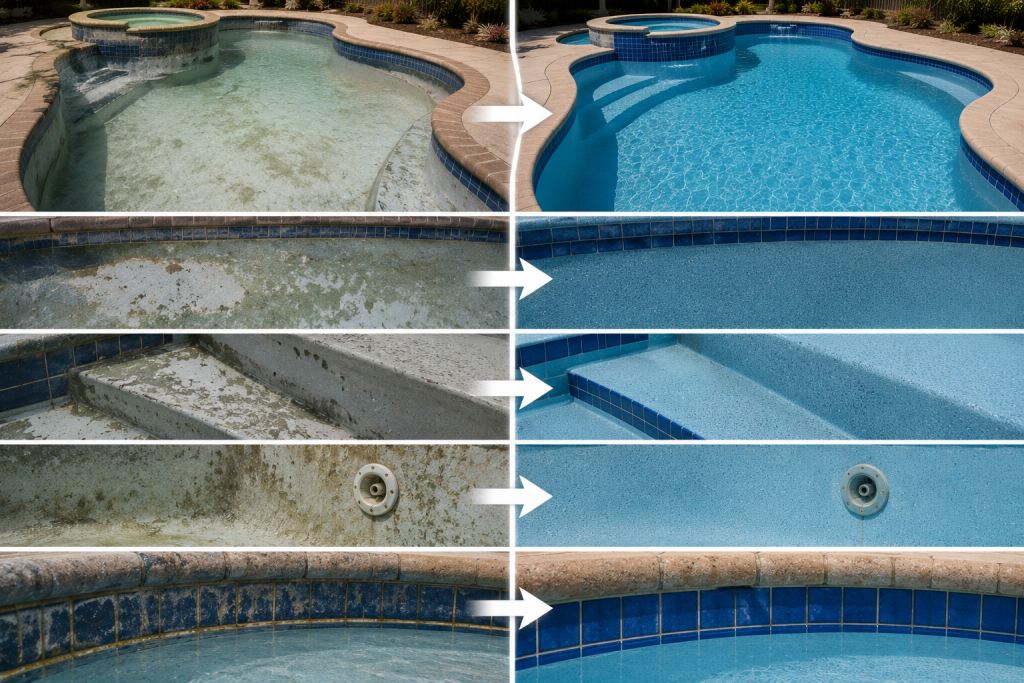
Pool resurfacing result comparison, Phoenix, AZ

Pool Resurfacing

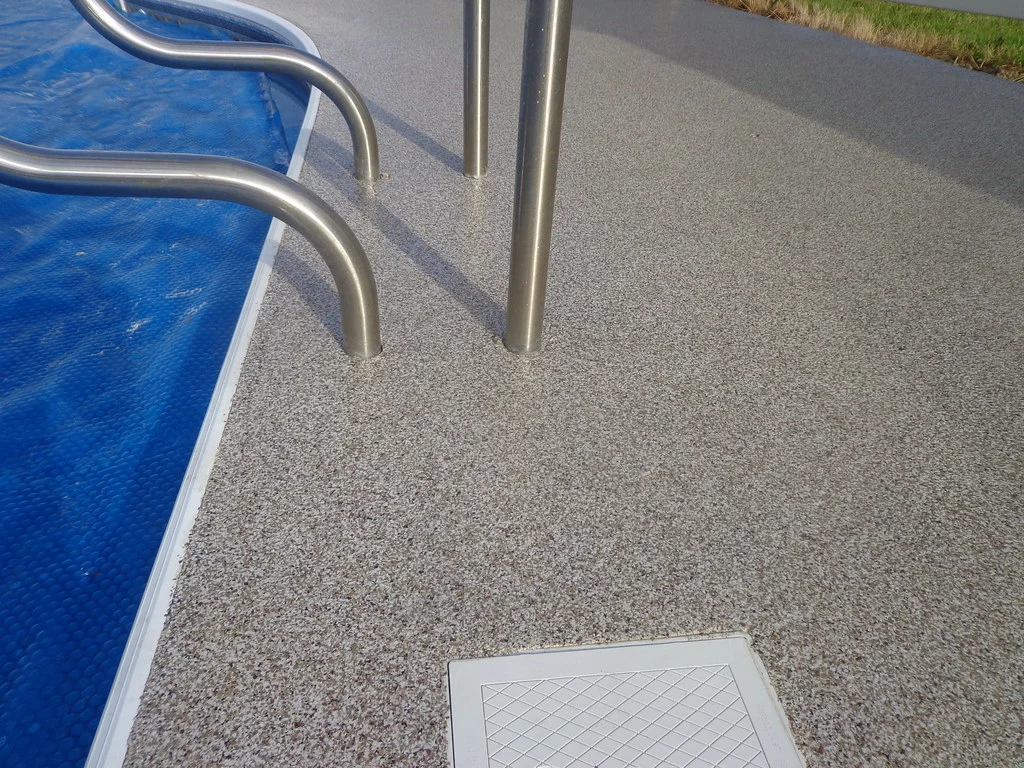
Pool Deck Refinishing Phoenix

Pool Deck Refinishing

Pool tile replacement, resurfacing service Phoenix, Arizona

Pool Tile Replacement