
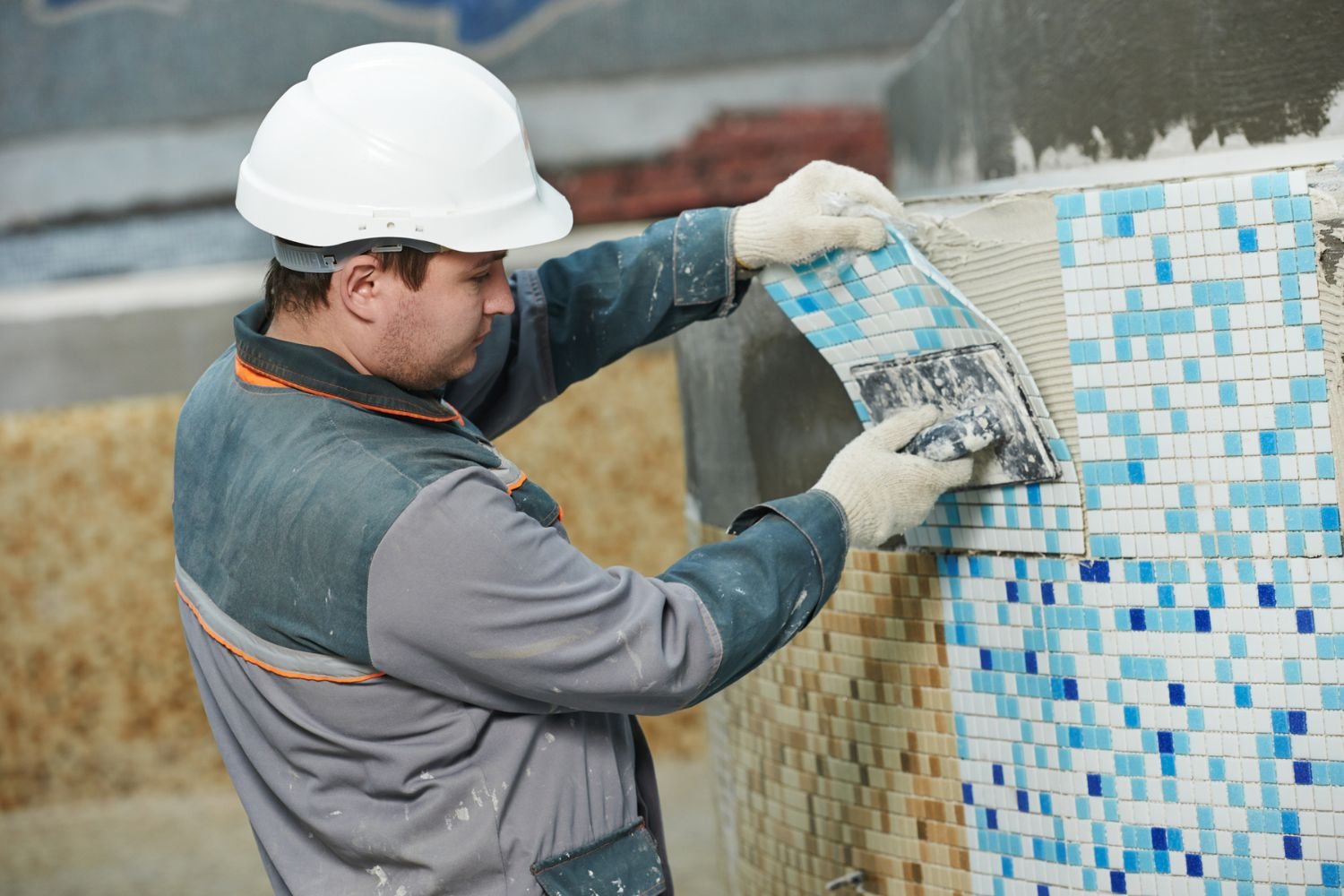

At a Paradise Valley pool, a narrow strip of waterline tile takes daily sun, changing water levels and repeated calcium deposits. In Glendale, the same white crust may be more noticeable against dark glass mosaics than classic ceramic. Tile replacement can refresh the pool without a full resurface, but loose tile may signal substrate movement or water intrusion that deserves diagnosis before new material goes on.
Identify the Cause before Selecting Tile
Cracks, missing grout, hollow areas and recurring deposits have different causes. Ask the estimator to inspect the bond and surrounding finish, and to explain whether repairs are localized or part of broader resurfacing. Replacing tile over an unstable base risks repeating the problem.
- Compare ceramic, porcelain and glass mosaics for color, format and budget.
- Review grout, setting material and expansion details with the installer.
- Coordinate tile height with the planned finish and final waterline.
Coordinate Drainage and the Adjoining Surface
Tile-only work may still require water-level changes or partial draining. In Phoenix, discharge methods are regulated; never assume pool water can run into the street or storm system. If coping or plaster is near end of life, price those scopes separately to compare a single project with staged work.
Get a Repair Scope in Writing
Ask for tile quantity, demolition limits, substrate repair allowance, grout, schedule and warranty terms. A Glendale or Paradise Valley site visit can distinguish a cosmetic refresh from a repair that needs more extensive work.
GET A FREE, NO-OBLIGATION ESTIMATE
Plan around your closing date. Ask for a written schedule, completion documentation, warranty information, and a clear description of what a buyer will see at final walkthrough.